
Category: Excerpt
Short excerpts from full SWTP CEUs courses, offering a preview of the content and clinical focus found in the complete courses.
-

When Home Becomes Office
Read more: When Home Becomes OfficeYou’re three minutes into a session with Isabel (a composite case representing common telehealth experiences) when your cat jumps onto your desk, knocking over your coffee mug. Behind you, your teenage daughter’s TikTok music starts blaring from upstairs. Isabel laughs and says, “Your house feels so homey—nothing like those sterile office buildings.” Your stomach drops…
-

Social Work with HIV-Positive Clients
Read more: Social Work with HIV-Positive ClientsMost continuing education reduces complex practice to simple protocols. But if you’re working with HIV-positive clients, you already know it’s never just about HIV. It’s about substance use that predates diagnosis, depression that affects adherence, housing instability that makes appointment attendance nearly impossible, and shame that fragments trust across every system.The excerpt below comes from…
-

What “Biopsychosocial” Actually Means in Practice
Read more: What “Biopsychosocial” Actually Means in PracticeYou’re thirty minutes into an intake with Brenda Hayes. She came in saying she’s been “feeling down” for about a year. As you talk, you learn she recently lost her administrative job, lives with chronic back pain that’s getting worse, isn’t sleeping well, and is helping coordinate care for her father, who has dementia. Her…
-

Why Family Systems Matter in Substance Use Treatment
Read more: Why Family Systems Matter in Substance Use TreatmentThe following is an excerpt from the 6-CE SWTP CEUs course, Substance Use in Families: Beyond the Identified Patient. The intake form says Miguel Torres, age 16, marijuana use. His school social worker made the referral after the third time he showed up high to class. You’re three minutes into the family session when you…
-
When Truth Is Cruel: Dementia, Therapeutic Lying, and Social Work Ethics
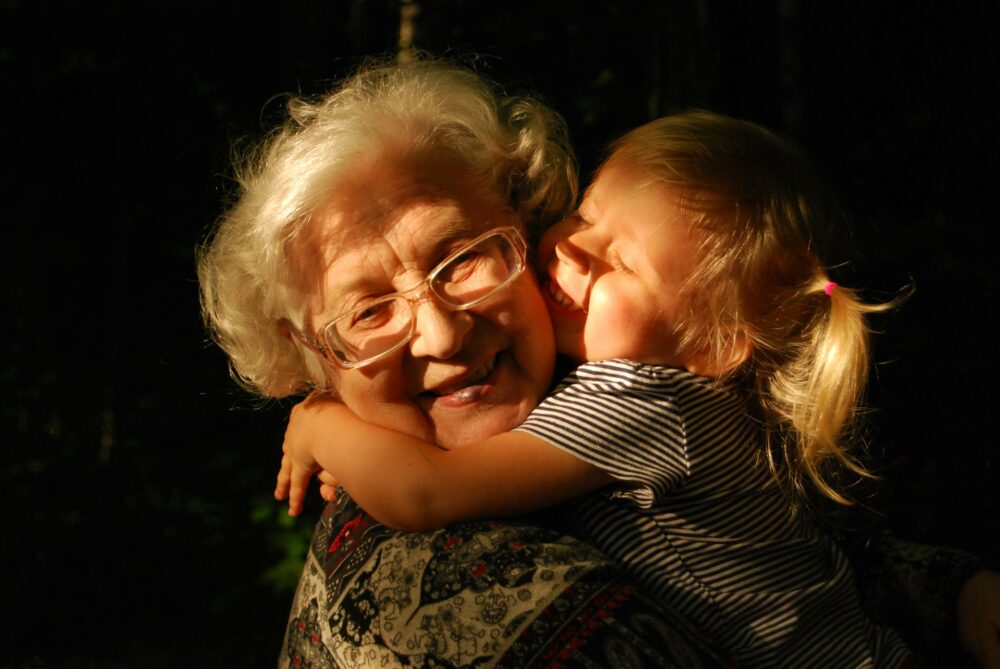
Read more: When Truth Is Cruel: Dementia, Therapeutic Lying, and Social Work EthicsThis is an excerpt from the 2.5 CE ethics course, Truth vs. Trust: The Ethics of Therapeutic Deception in Dementia Care available at SWTP CEUs. Three months ago, when you first started working with Mrs. Patterson, you did what you were trained to do. You told her the truth. You sat down next to her,…
-
What Human Trafficking Really Looks Like
Read more: What Human Trafficking Really Looks LikeThis is an excerpt from the 2.25-CE course, Human Trafficking Identification and Response for Social Workers, available at SWTP CEUs. When most people hear “human trafficking,” they picture dramatic scenarios: someone kidnapped and transported across international borders, held in chains, unable to escape. While those situations do occur, they represent a small fraction of trafficking…
-

Foundations of Ethical Supervision: The Moment Supervision Matters Most
Read more: Foundations of Ethical Supervision: The Moment Supervision Matters MostThis is excerpted from the SWTP CEU’s course, Ethical Social Work Supervision, a 6.0-CE course. The 60-Second Test A supervisee knocks on your door at 4:45 PM on a Friday. Her face is pale. “I need to tell you something,” she says. “I backdated a progress note this morning. The client was a no-show, but…
-

Myths vs. Facts About Suicide
Read more: Myths vs. Facts About SuicideThis is excerpted from the SWTP CEU course, Suicide Risk Assessment and Intervention. Given the scope and complexity of suicide as demonstrated by these epidemiological patterns, it becomes crucial to address common misconceptions that can interfere with effective prevention efforts. Understanding and dispelling common myths about suicide is essential for effective social work practice. These…
-

Why Spirituality Matters in Social Work Practice
Read more: Why Spirituality Matters in Social Work Practice(This is an excerpt from the SWTP CEU course, Religious and Spiritual Competency for Social Workers.) A client sits across from you, grieving the sudden death of her husband. She keeps saying, “I just don’t understand why God would do this to me.” You nod, validate her pain, ask about her support system. But you…
-

You Have Bias. Now What?
Read more: You Have Bias. Now What?Excerpted from SWTP CEU’s Recognizing and Managing Bias 4.5 CE course.) You’re reviewing your case notes from this week. One client—a Black woman in her 30s—you described as “guarded” and “resistant to engaging in treatment.” Another client—a white woman, same age, similar presentation—you described as “appropriately cautious” and “taking time to build trust.” Same behavior.…