
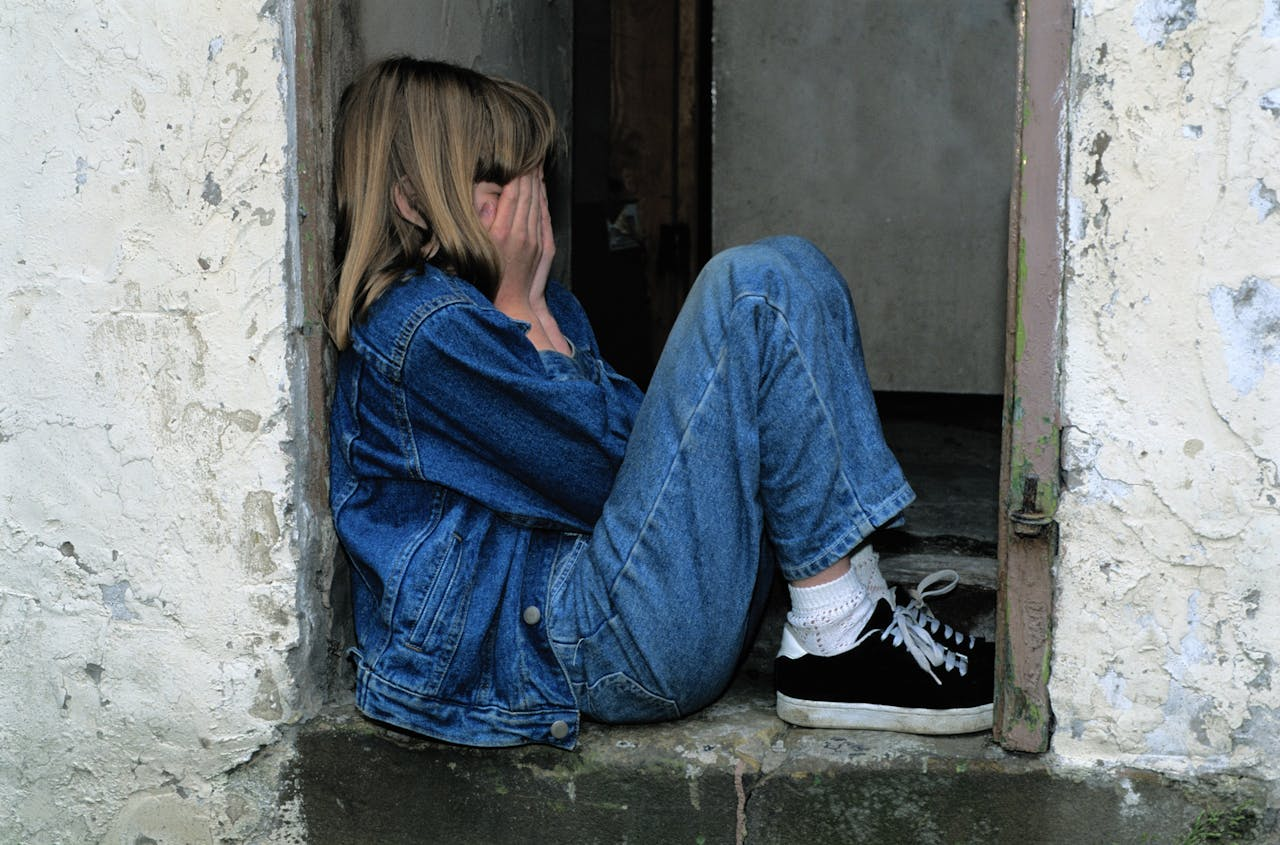
When you walk into the community center that Thursday morning, you immediately notice Keisha sitting alone in the corner. She’s twelve—usually lively and full of conversation—but today she seems smaller somehow. As you get closer, you see what looks like a healing cut on her lip and faint scratches on her forearms.
“What happened, Keisha?” you ask gently. She shrugs without looking up. “I was clumsy. Fell down the stairs.”
Your training kicks in. Keisha’s home doesn’t have stairs.
Recognizing abuse isn’t about assuming the worst in every bruise, scratch, or withdrawn child. It’s about learning to recognize patterns—how physical signs, emotional shifts, and contextual details fit together. Social workers don’t need proof or certainty to take action. The standard is reasonable suspicion—a belief, based on observation and experience, that a child might be at risk of harm.
Physical Abuse: Beyond Obvious Injuries
Physical abuse is often assumed to be the easiest type to identify because it can leave visible marks. Yet it’s also one of the most misunderstood. Injuries tell only part of the story; context, behavior, and consistency fill in the rest.
Classic indicators of physical abuse include bruises in different stages of healing—especially on soft-tissue areas like the torso, upper arms, or buttocks—and burns with clear patterns, such as cigarette marks or “stocking” burns from forced immersion. Fractures that don’t match a child’s developmental stage and injuries that contradict the explanation provided are also significant red flags.
Behavioral cues can be just as revealing. Some children may become unusually compliant, others defiant or fearful of going home. A child who regresses to earlier behaviors—bedwetting, thumb-sucking, clinging—may be communicating distress. Sometimes you’ll see age-inappropriate sexual knowledge or behavior, suggesting that physical and sexual abuse are occurring together.
The context surrounding an injury often tells the story more clearly than the injury itself. A delay in seeking medical care for a serious wound, shifting explanations from caregivers, or a known history of domestic violence can transform an isolated concern into a recognizable pattern.
Keisha’s scratches might have an innocent explanation. But combined with her behavior change, the inconsistent story about “stairs,” and any known family stressors, the situation begins to meet the threshold of reasonable suspicion.
Or consider Marcus, a four-year-old who comes to preschool with finger-shaped bruises on his upper arm. His mother explains that she grabbed him as he ran toward a busy street. The story sounds plausible, even protective. Still, the bruising suggests force beyond what was necessary. A skilled social worker doesn’t rush to judgment but explores further, balancing empathy with duty to report.
Sexual Abuse: The Hidden Trauma
Sexual abuse is among the most difficult forms of maltreatment to identify. It often leaves no physical evidence, and children rarely disclose directly. Instead, practitioners must look for behavioral and contextual indicators that together form a credible concern.
In younger children, warning signs often appear as regression: bedwetting, thumb-sucking, or clinginess in children who had moved past those stages. They might develop sudden fears of specific people or places, begin having nightmares, or show sexualized play or language beyond what’s developmentally typical. These behaviors represent attempts to process trauma that the child can’t yet articulate.
Adolescents often show different patterns—running away, refusing to go home, or suddenly withdrawing from school and peers. They might begin self-harming or engaging in risky sexual behavior. What can look like rebellion or defiance may actually be an expression of trauma, shame, and confusion about boundaries.
Physical evidence, while less common, can include difficulty walking or sitting, pain or bleeding in the genital or anal areas, torn or stained underwear, or sexually transmitted infections. When such indicators appear alongside behavioral changes, they strengthen the case for reasonable suspicion.
Disclosures are rarely direct. A child might say, “I don’t want to go to Uncle Mike’s anymore,” or mention “secrets” that adults have asked them to keep. These statements often represent a testing of safety—a child reaching for protection without fully exposing their vulnerability. Retractions are also common; children frequently protect abusers, especially when the abuse is within the family. A retraction doesn’t erase concern—it deepens the need for careful assessment.
Emotional Abuse: The Invisible Wounds
Emotional abuse can be the hardest to identify and the most damaging over time. It exists in words, tone, and patterns of interaction. It doesn’t leave bruises, but it leaves deep psychological scars.
Emotional abuse often takes the form of constant criticism, humiliation, or rejection that erodes a child’s sense of worth. It can also appear as isolation from peers, threats and intimidation, or encouraging destructive behavior. These patterns teach children that they are undeserving of love or safety.
Children respond to emotional abuse in a variety of ways. Some become intensely compliant—trying to stay invisible to avoid further harm. Others grow defiant or aggressive, mirroring the hostility they experience at home. Many show developmental delays, self-injury, or an eerie absence of attachment.
Sixteen-year-old Aaliyah describes her mother’s daily comments: “You’re worthless. You’ll never amount to anything.” Her mother insists it’s “tough love,” a way to prepare Aaliyah for the real world. Occasional harsh words don’t meet the threshold for abuse—but when hostility becomes a way of relating, the harm is cumulative and profound.
Neglect: When Needs Go Unmet
Neglect is the most commonly reported form of child maltreatment and one of the most complex to assess. It often overlaps with poverty, mental illness, and systemic inequities. The essential distinction lies in can’t versus won’t—the difference between inability and refusal.
Physical neglect can involve chronic hunger, inadequate clothing or shelter, persistent poor hygiene, or a lack of medical care. Educational neglect appears as unexplained absences or failure to enroll a school-age child. Emotional neglect includes consistent unresponsiveness, exposure to domestic violence, or allowing substance use.
Consider the Johnson family. Their eight-year-old twins frequently come to school hungry and wearing dirty clothes. The family receives food assistance, but the mother struggles with untreated depression and the father’s night shifts leave little supervision. The children’s unmet needs are clear, but the causes are complex. The assessment question becomes: are these circumstances the result of systemic barriers, or does the pattern indicate true neglect?
Understanding that distinction guides your next step—whether to provide supportive services, make a report, or both.
Recognizing Patterns vs. Red Flags
Effective assessment depends on recognizing patterns, not isolated red flags. A single bruise or inconsistent story might warrant observation and documentation. Multiple indicators across different domains—physical, behavioral, and contextual—signal the need for immediate reporting.
Ten-year-old David arrives at an after-school program with a black eye. He explains in detail that he fell off his bike, and this matches his typical experience as an active, well-cared-for child. Ten-year-old Miguel, however, has had three unexplained injuries in the past month. His stories change, and he appears anxious when his father arrives. The contrast between the two highlights how cumulative patterns transform uncertainty into reasonable suspicion.
Your clinical training helps distinguish normal developmental behavior from trauma responses. Each child’s story is unique, and your relationship with them provides crucial context. Trust your professional instincts—they are a vital part of the assessment process.
Pause for Reflection
Think back to a time when you noticed concerning changes in a child’s behavior or appearance. What made you pay attention? What prior experiences shaped how you interpreted what you saw? Which types of indicators feel most challenging for you to recognize—and why?
Developing the ability to notice, pause, and reflect is essential. Pattern recognition begins with awareness, and awareness is what allows social workers to protect children before harm escalates.
Adapted from continuing education course, Assessment and Reporting of Child Abuse, available now from SWTP CEUs.